


The Art of Making Homemade Spice Blends: Garam Masala, Curry Powder, and Beyond
There is a before and after moment in Indian cooking for most home cooks, and it often happens the first time they make their own garam masala from freshly roasted whole spices. The aroma is extraordinary — a cloud of fragrant, warm, complex perfume that fills the kitchen and makes everything within it smell better. The flavour difference in the dish that follows is unmistakable. This is not a subtle improvement — it is a transformation. Pre-ground spice blends are convenient, but they are made from pre-ground spices that have been oxidising since the moment they were processed, then blended, packaged, shipped, and stored for weeks or months before reaching your kitchen. Making your own spice blends from whole spices, toasted and ground fresh as needed, produces results that are simply incomparable. This guide shows you how.
The Equipment You Need
Making spice blends at home requires minimal equipment. The essentials are: a heavy, dry pan (cast iron or stainless steel) for dry toasting spices; a spice grinder or coffee grinder dedicated to spice grinding (using your coffee grinder for spices and then coffee produces coffee that tastes of cumin, which is rarely desirable); an airtight glass container for storage; and a kitchen scale for precise measurements, which is important when making blends where the ratio of ingredients matters.
A mortar and pestle is wonderful for grinding small quantities and gives you excellent control over texture, but it is slower and more labour-intensive than an electric grinder. For blends involving hard spices like black pepper, cloves, and cinnamon, an electric grinder is more practical for regular use.
The Dry Toasting Step: Why It Matters
Dry toasting whole spices before grinding is the single most important step in making homemade spice blends. It does several things simultaneously: it drives off residual moisture, which allows the spices to grind more easily and store longer without clumping; it triggers the Maillard reaction on the surface of the spice, creating new flavour compounds that add depth and complexity; it vaporises some of the volatile aromatic compounds, which makes the kitchen smell extraordinary but also concentrates the remaining compounds in the spice.
The technique: place whole spices in a single layer in a dry, heavy pan over medium heat. Shake the pan gently or stir constantly to ensure even heating. Toast until the spices are fragrant and just beginning to darken — this takes two to four minutes depending on the spice. Remove from heat immediately and tip into a bowl or plate to stop the cooking. Spices that have gone too dark will taste bitter and acrid in the final blend.
How to Make Garam Masala
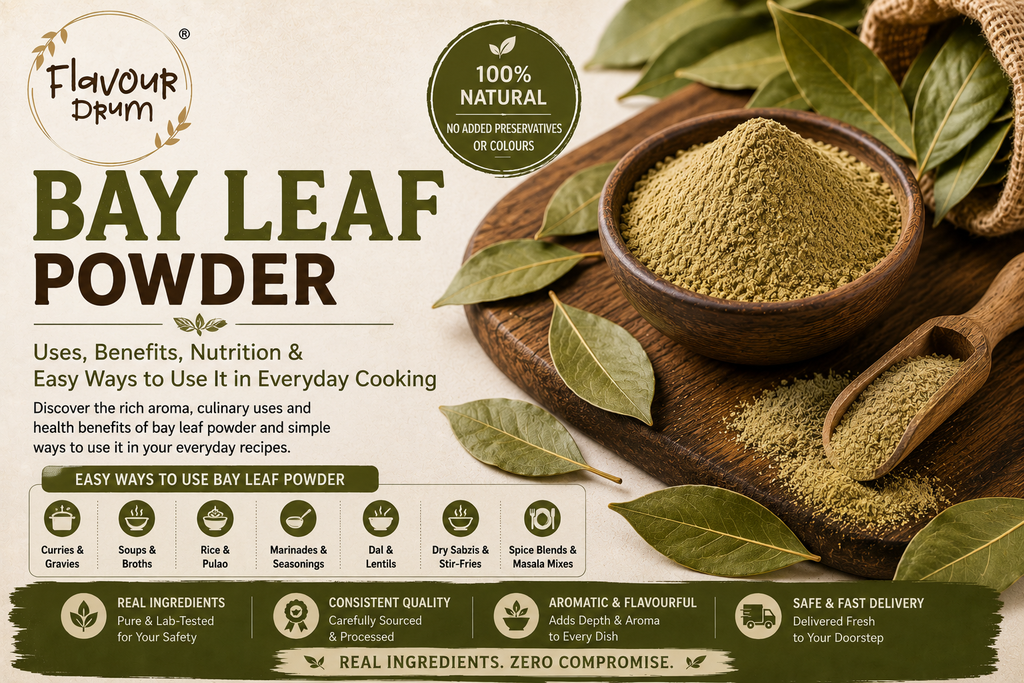
A reliable, balanced garam masala for everyday cooking: toast separately (as they toast at different rates) and then grind together — two tablespoons of coriander seeds, one tablespoon of cumin seeds, one teaspoon of black pepper, eight green cardamom pods (seeds only), four cloves, one small cinnamon stick (broken), one bay leaf, and half a teaspoon of dried ginger.
Toast each spice separately or in groups of similar-sized spices that will toast at the same rate. Grind together until a fine, uniform powder forms. Smell it — the aroma should be complex, warm, fragrant, and immediately distinguishable from any commercial garam masala you have previously used. Store in an airtight glass jar and use within three months for best results. Makes approximately three to four tablespoons of garam masala.
How to Make a Basic Curry Powder
Curry powder is a British invention — there is no single "curry powder" in Indian cooking, where spice blends are region-specific and dish-specific. However, the blend that British colonisers developed as a catch-all approximation of Indian spice flavours has become a useful, versatile blend for general cooking. A balanced version: toast and grind together — three tablespoons of coriander seeds, one tablespoon of cumin seeds, one tablespoon of turmeric powder (this does not need toasting), one teaspoon of black pepper, one teaspoon of mustard seeds, half a teaspoon of fenugreek seeds, one teaspoon of dried red chilli, and half a teaspoon of ground ginger.
This blend is more aromatic and complex than commercial curry powder and works well as a flavouring for roasted vegetables, braised meats, lentil soups, and any recipe calling for "curry powder" as an ingredient.
Chaat Masala: The Tangy Finishing Blend
Chaat masala is the most distinctive Indian spice blend — its sour, salty, warming profile is entirely unlike any other blend and makes it impossible to substitute with anything else. Toast and grind together — two teaspoons of cumin seeds, one teaspoon of coriander seeds. Combine the freshly ground spices with two teaspoons of amchur powder (FlavourDrum's Amchur Powder is ideal here), one teaspoon of kala namak (black salt), half a teaspoon of regular salt, half a teaspoon of freshly ground black pepper, half a teaspoon of dried ginger powder, a quarter teaspoon of asafoetida, and a quarter teaspoon of dried red chilli powder.
Mix thoroughly and store in an airtight container. Use as a finishing seasoning over chaat, fruit, eggs, popcorn, or anything that needs a tangy, complex flavour boost.
Storing Homemade Spice Blends
Homemade spice blends have a shorter shelf life than commercially produced blends — typically two to three months compared to the six to twelve months of well-packaged commercial blends. This is actually a feature, not a bug: it ensures that you are regularly making fresh batches, which means the blend is always at peak quality. The short shelf life is a direct consequence of the superior quality of freshly ground spices.
Store homemade blends in small, airtight glass jars in a cool, dark place. Label with the date of preparation. Make quantities that will be used within two to three months. If you are making a blend for a specific recipe and will not use it regularly, make only the quantity needed for that recipe plus a small reserve. The ingredients from FlavourDrum's Spices, Seeds & Seasonings collection give you the ideal foundation for making any homemade spice blend.
Related post
02
Sep
02
Sep
02
Sep


